 Fraunhofer Institute for Applied Solid State Physics IAF
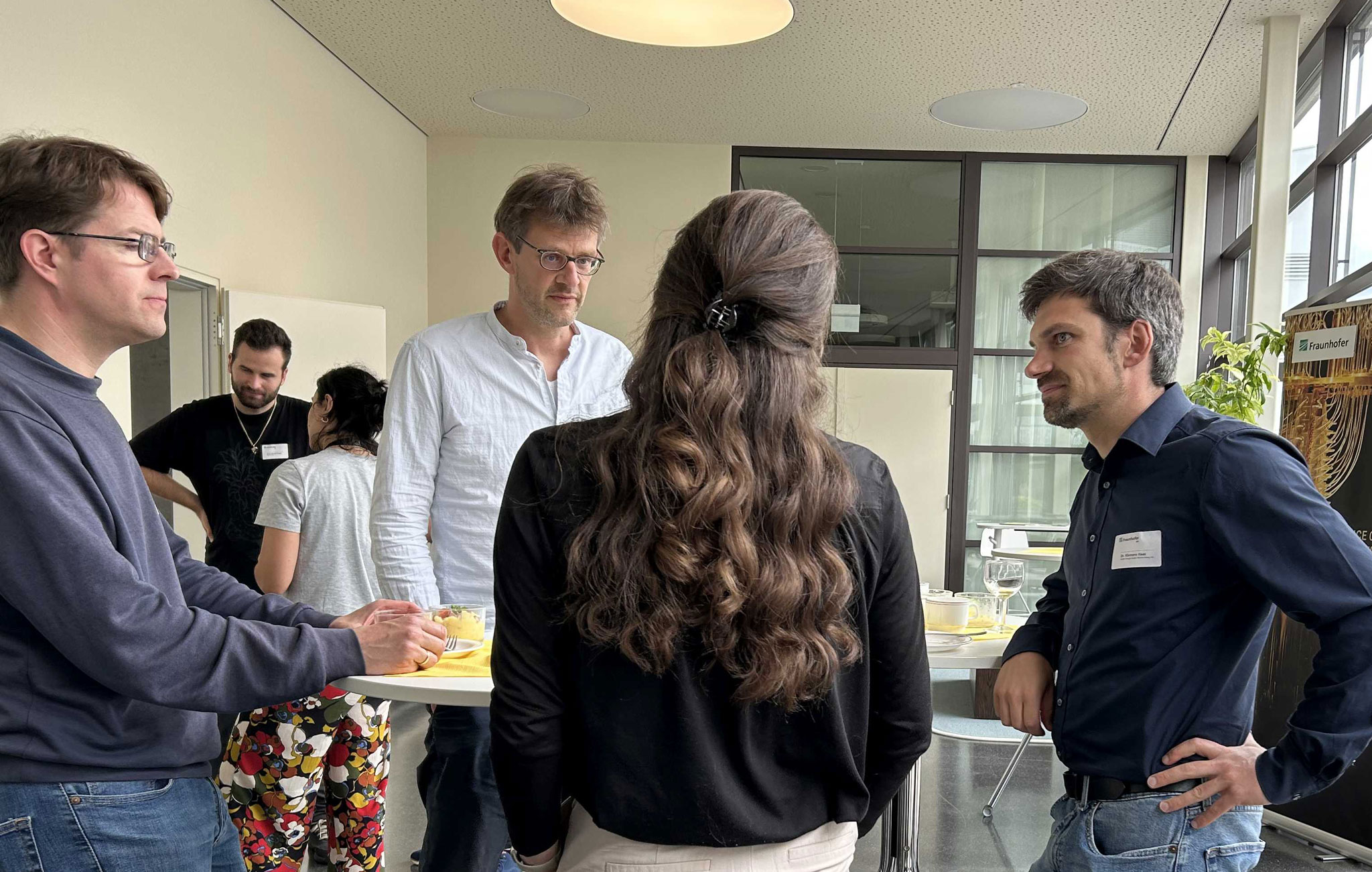
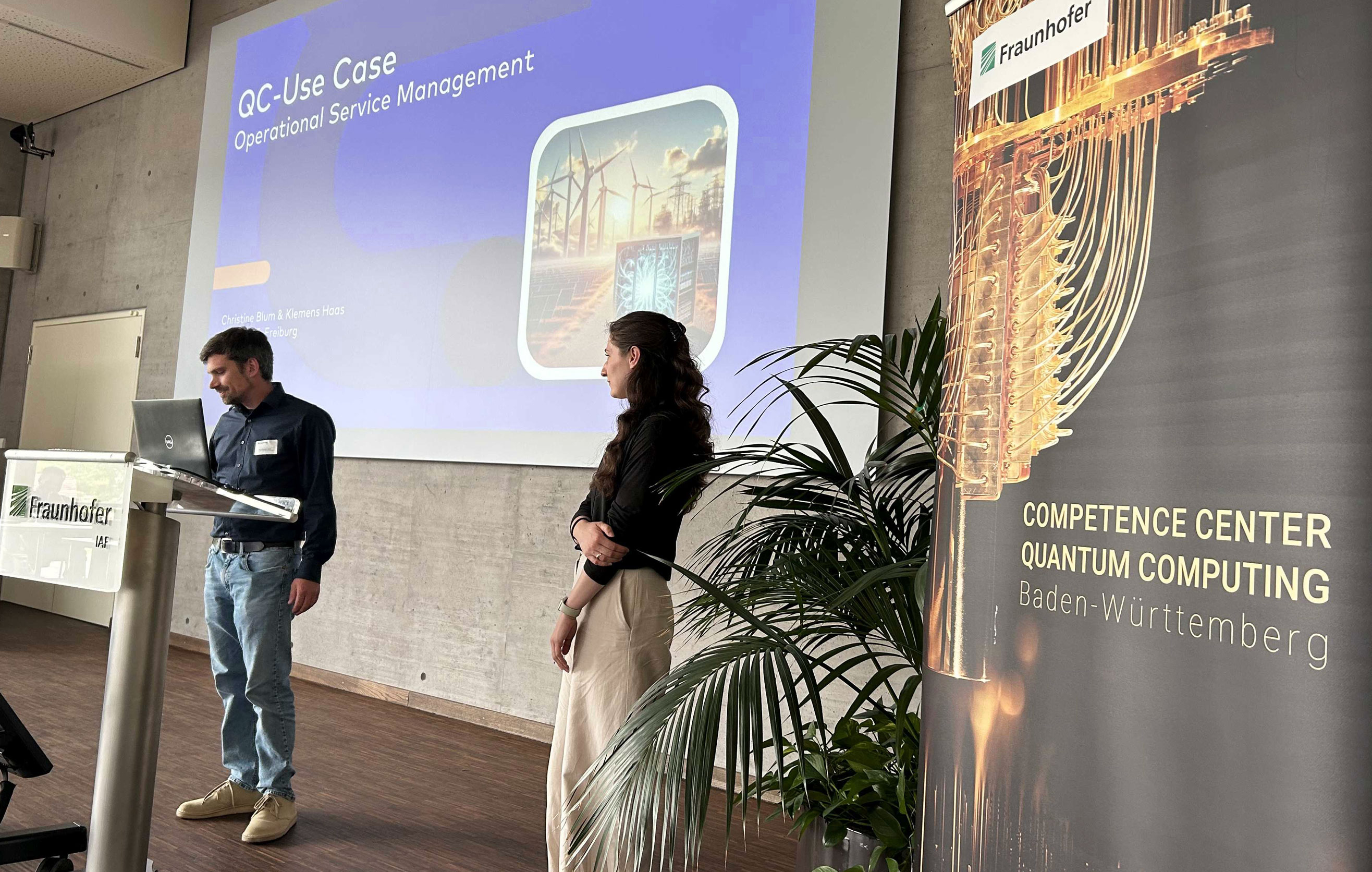
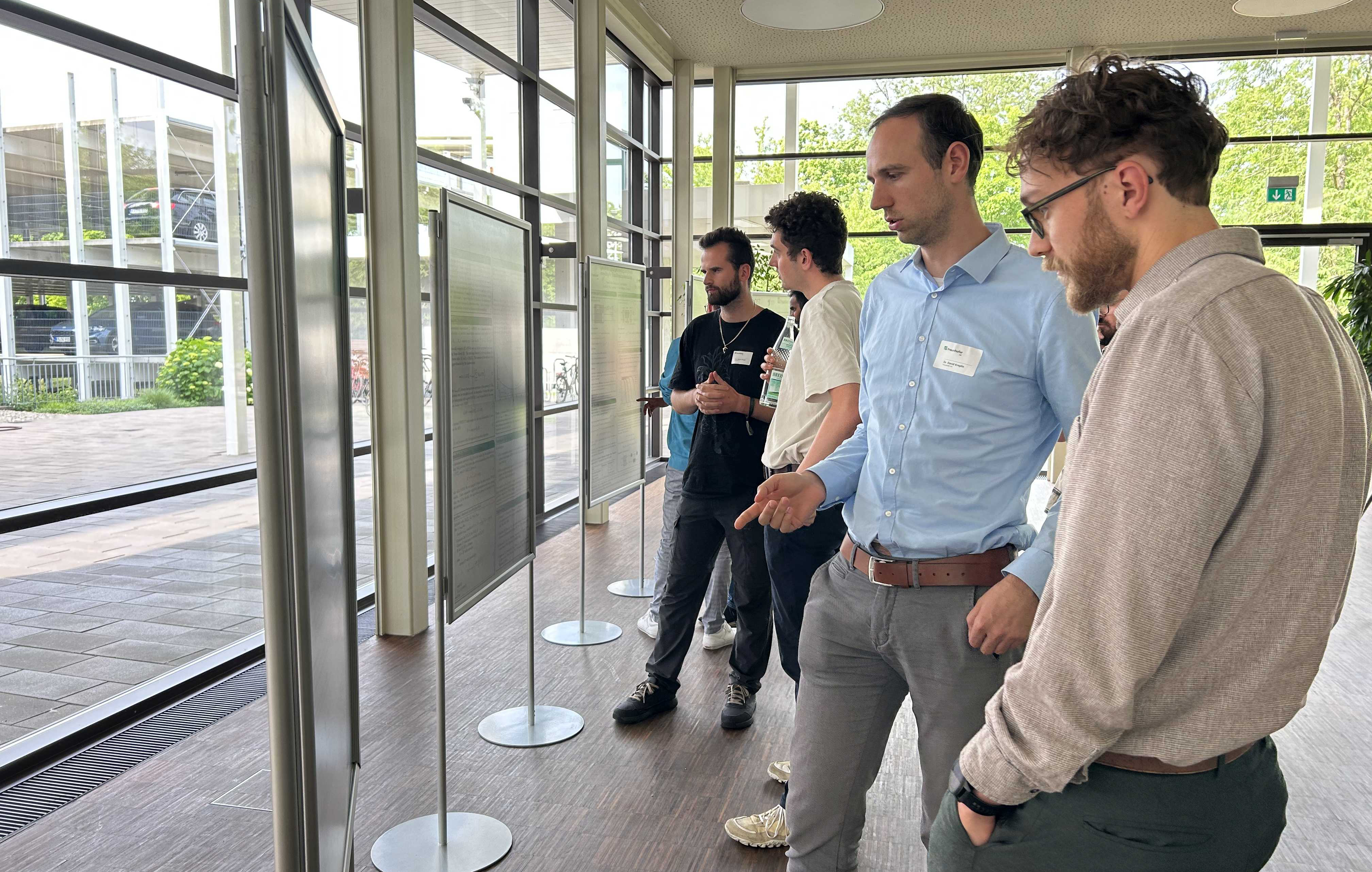
On June 5 and 6, 2025, members of the Competence Center Quantum Computing Baden-Württemberg (KQCBW) gathered at Fraunhofer IAF for this year’s Developer Conference. The conference served as a platform to conclude the KQCBW24 transfer project and present the milestones and results achieved. The two-day event featured a packed program of high-level talks on software, hardware, and application development.

© Fraunhofer IAF
Closing meeting on transfer project KQCBW24 — Insights from the KQCBW Developer Conference 2025
06/06/2025 / High-level talks on software, hardware, and application development
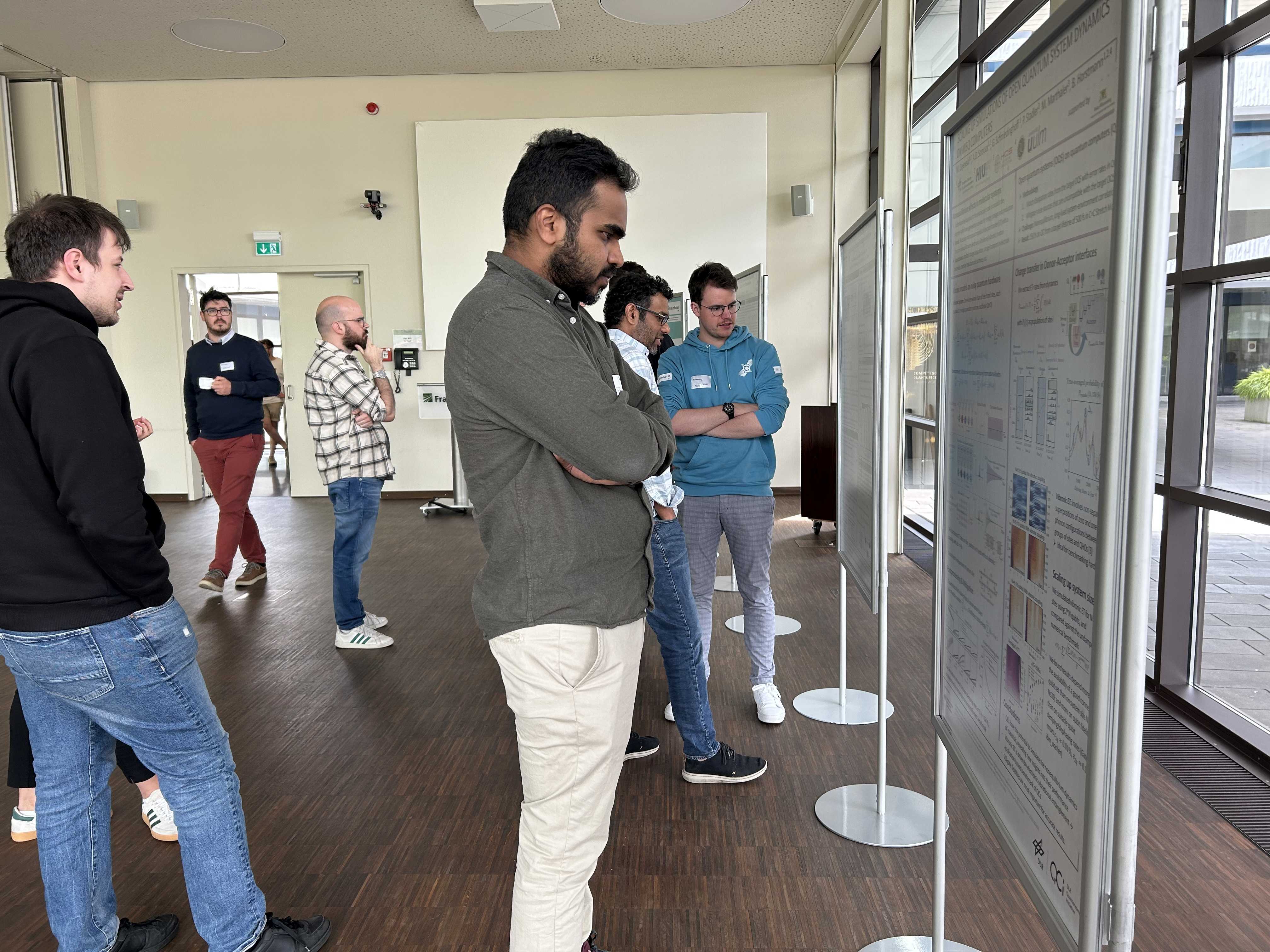
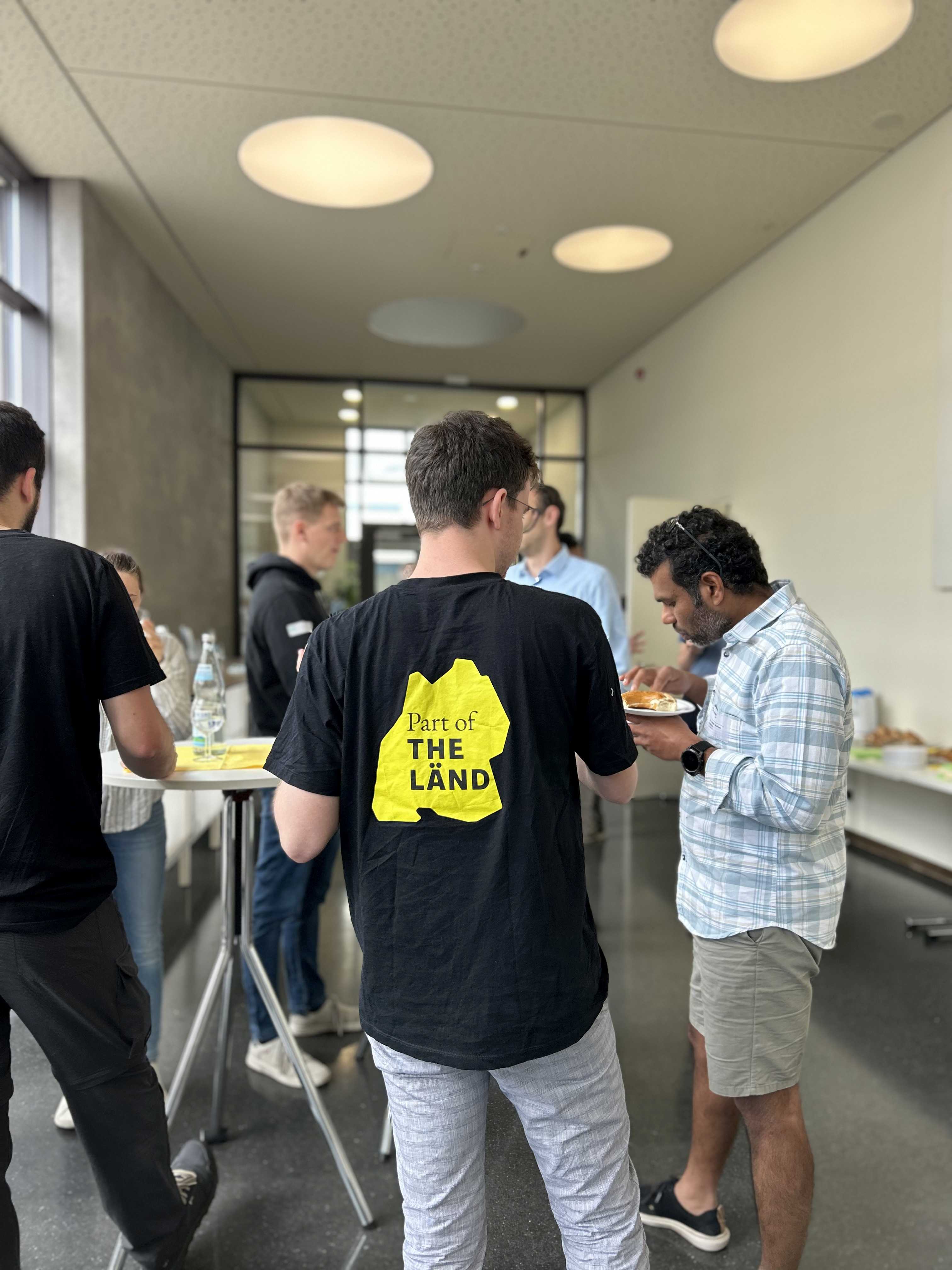
The conference kicked off with presentations from partners: HQS Quantum Simulations showcased promising applications of quantum computing in NMR spectroscopy, while EnBW presented real-world optimization challenges from the energy sector.
Software sessions covered a broad range of topics—from quantum-assisted network optimization and fault-tolerant programming using generative AI to methods for simulating open quantum systems. Especially innovative were talks on quantum error correction and new approaches to quantum chemistry state preparation. Further discussions included the use of dissipative algorithms, neural networks for modeling singlet fission, and advancements in quantum cloud infrastructure.
On the hardware side, the program featured insights into qubits in NV centers in diamond, machine learning for quantum functional testing, and techniques for noise characterization. Once again, the Developer Conference highlighted both the rapid progress in quantum information science and the pivotal role played by Baden-Württemberg’s research institutions.
About the KQCBW
Founded in 2020, the Competence Center Quantum Computing Baden-Württemberg (KQCBW) installed the first IBM quantum computer on German soil, providing access to quantum hardware for industrial companies, SMEs, startups, and academic institutions. In doing so, it laid the groundwork for quantum computing in Germany and built key competencies at Fraunhofer IAF and Fraunhofer IAO.
The KQCBW brings together several Fraunhofer institutes and partners from politics, science, and industry to develop and apply quantum computing in research, education, development, and services. It focuses on sectors of particular importance to Baden-Württemberg, including IT, medical technology, chemistry, finance, mechanical engineering, manufacturing, automotive, and logistics. As part of the QuantumBW state initiative, KQCBW also plays an active role in expanding Baden-Württemberg’s position as a leading center for quantum technologies.